Table of contents
In an era of viral pet stories and headline-grabbing rescues, the animal welfare world is often reduced to a familiar image: a dramatic intervention, a grateful adopter, and a happy ending. Yet most outcomes are built far from the spotlight, inside networks where logistics, compliance, and mental stamina matter as much as compassion. In the UK alone, demand has surged since the pandemic, and while the causes vary, the pressure on rescue ecosystems is measurable, persistent, and increasingly complex.
Behind every rescue, a logistics chain
Who moves the animal when the call comes in, and who keeps that movement safe, legal, and fast? The public often imagines rescue as a single moment, but it is more accurately a chain of coordinated steps that begins with information gathering, continues through transport and triage, and ends, sometimes weeks later, with rehoming. In that chain, lesser-known roles carry much of the operational risk, because one missed detail can compromise welfare outcomes, create legal exposure, or collapse a placement at the final hurdle.
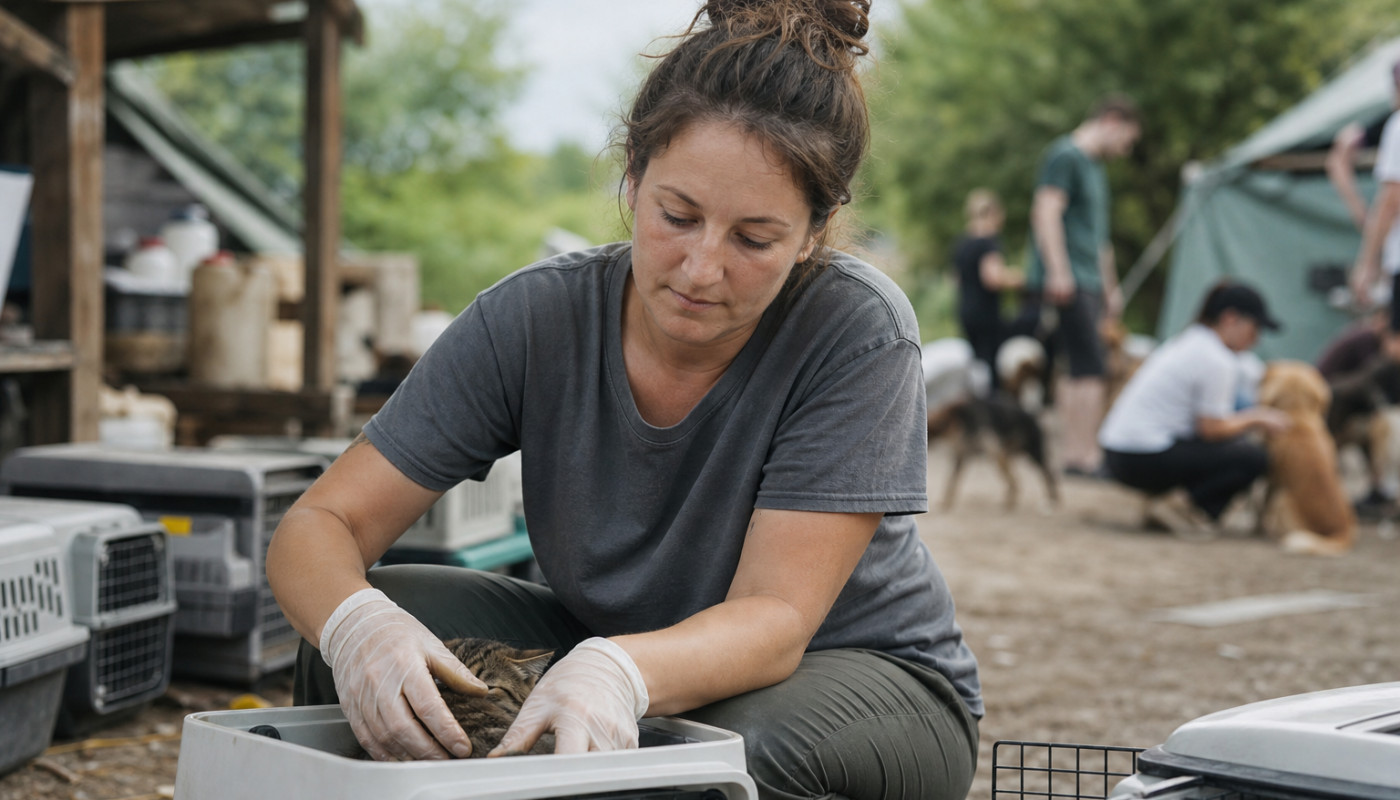
Transport is a clear example, because it is emotionally simple to describe yet technically difficult to execute. Drivers and coordinators must consider stress levels, temperature management, biosecurity between animals, and the handover process, and they do it while operating across distances that are not trivial. The UK has around 40 million pets, according to the PDSA’s most recent PAW Report estimates, and even a small fraction needing rehoming translates into large volumes moving through foster homes, clinics, and temporary kennels. Each trip is time, fuel, paperwork, and risk management, and when organisations rely on volunteers, as many do, the “hidden” professionals are often unpaid people with specialist knowledge built over years.
Then comes intake and triage, another area where quiet expertise decides whether an animal stabilises quickly or deteriorates. Behaviour assessments, immediate veterinary checks, parasite control, and quarantine decisions are not glamorous, yet they shape the animal’s long-term prospects, and they also protect other animals in care. In 2023, the RSPCA reported receiving more than 390,000 calls to its cruelty and advice line, a level of demand that illustrates how frequently welfare systems are asked to respond, even before considering the separate flows managed by independent charities and local groups. The less-visible staff and volunteers who handle intake are, in practice, the people who prevent the system from being overwhelmed, because they allocate scarce spaces, make rapid decisions under uncertainty, and document everything for downstream teams.
The foster carer who saves a place
Fostering is the pressure valve that keeps rescue networks from breaking. Ask any rescue coordinator what happens when foster capacity drops and you will hear the same answer, phrased differently: the bottleneck widens, waiting lists grow, and the hardest cases lose options first. Foster carers are rarely the faces on fundraising posters, yet their impact is immediate and measurable, because every foster home can represent one more kennel space freed, one more urgent intake accepted, and one more animal given time to decompress away from the stressors of a busy facility.
The work itself is deceptively demanding. It is cleaning, routine, observation, and careful record-keeping, and it is also emotional labour, because foster carers often manage animals that are fearful, under-socialised, or recovering medically. They track eating habits, stools, medication schedules, mobility, and reactivity triggers, and they must communicate that detail clearly so behaviourists and adoption teams can match the animal responsibly. The Dogs Trust has repeatedly warned of sustained pressures on rehoming services, and while annual figures shift, the underlying pattern is consistent: more complexity, more financial strain on owners, and more animals presenting with needs that cannot be resolved in a single consultation. In that context, the foster carer is not a “temporary home” in the sentimental sense, they are a frontline placement that reduces stress hormones, accelerates recovery, and produces the observations that make safe rehoming possible.
There is another, rarely discussed, value: fostering prevents rash decisions. When a rescue has no buffer, teams can feel pushed into quick placements, which increases the risk of returns, and returns are not neutral events, they can worsen anxiety and erode trust. A stable foster environment buys time for gradual behaviour modification, for vet follow-ups, and for evidence-based decisions rather than rushed ones. For readers looking to understand how these networks function on the ground, resources and entry points matter, and organisations such as Starescue Animal Charity illustrate how community-led structures connect adoption, volunteering, and support services, often relying on foster households to keep the entire pathway moving.
The paperwork, the phone calls, the tough calls
Rescue work is also administration, and the people doing it are among the least recognised. They manage consent forms, medical records, microchipping data, vaccination histories, neutering status, and adoption agreements, and they do it while fielding calls that can be tense, confusing, or heartbreaking. The desk is not separate from the rescue, it is the place where risk is controlled, because compliance failures can lead to welfare harm, reputational damage, and, in some cases, legal sanctions.
Consider microchipping, now a legal requirement for dogs in the UK, and increasingly a policy focus for cats as well. The practical task is not simply “chip the animal”; it is ensuring that the chip is registered correctly, that the keeper details are up to date, and that the transfer is confirmed at adoption. The same is true for vaccination records, parasite treatments, and vet referrals, where precise dates and product choices can affect both health outcomes and liability. Administrative volunteers frequently become the institutional memory of a charity, maintaining continuity when frontline teams rotate, and they are often the ones who notice patterns in returns, complaints, or recurring behavioural issues, because they see the data at scale.
Phone triage is another hidden skill. It takes experience to identify when a case is urgent, when an owner needs practical support to keep a pet, and when an animal is at immediate risk. In the cost-of-living crisis, this is not theoretical. Multiple UK welfare bodies, including the PDSA through its annual reporting, have highlighted financial pressures influencing pet care decisions, from delayed veterinary treatment to difficult choices about relinquishment. A calm, informed voice on the phone can redirect a situation toward food bank support, temporary fostering, low-cost clinics, or behavioural advice, and those interventions can prevent surrender altogether. When that happens, no adoption photo is posted, and no “before and after” story circulates, yet an animal has been kept safe, and an owner has been supported rather than shamed.
Volunteers absorbing the emotional aftershock
Burnout is the silent factor shaping rescue capacity. It is easy to count kennels and foster spots, and harder to count emotional bandwidth, yet the second can be the limiting resource. Volunteers and staff regularly confront neglect, trauma, and sometimes cruelty, and they must remain functional, polite, and accurate, because the work depends on trust and steady decision-making. Compassion fatigue is not a buzzword in this world, it is an occupational hazard, and when experienced people step back, an organisation loses judgment as much as labour.
The emotional aftershock lands in places the public rarely sees. Moderating social media comments when a post goes viral, responding to angry messages, and correcting misinformation can consume hours, and it can also expose volunteers to hostility. Fundraising teams, too, operate in that emotional space, because they must tell difficult stories responsibly, protect privacy, and avoid sensationalism, all while trying to cover basic costs. Those costs add up fast: veterinary care, diagnostics, surgery, rehabilitation, insurance, transport, heating, food, and professional behaviour support. In 2024 and 2025, many UK rescues continued to report, through their own updates and sector-wide conversations, that donations were under strain at the same time as demand remained high, a combination that intensifies stress across teams.
What helps is structure and support, not hero narratives. Rotas that prevent overload, clear boundaries for communications, access to debriefing, and partnerships with veterinary practices and trainers can reduce the personal toll, and they can also improve outcomes for animals. The “silent heroes” are often the people who implement those systems: the volunteer coordinator who matches tasks to skills, the foster mentor who guides newcomers through the first difficult week, the grant writer who secures funding for a spay-neuter campaign, and the behind-the-scenes mediator who defuses conflict between adopters and teams. Their work is less photogenic, but it is precisely what keeps rescue networks resilient enough to respond when the next crisis lands.
How to help, without making it harder
Before donating or adopting, ask what is most needed right now, and set a realistic monthly budget, because predictable support is often more useful than one-off gestures. If you plan to adopt, book meetings early, prepare references, and budget for insurance, vaccinations, and unexpected veterinary care. If you are struggling to keep a pet, seek local help fast, as food banks, low-cost clinics, and temporary fostering can prevent surrender when accessed in time.
Similar articles


